Table of Contents
- Key Takeaways
- Quick Verdict
- Product Overview & Specifications
- Real‑World Performance & Feature Analysis
- Design & Build Quality
- Performance in Real Use
- Ease of Use
- Durability / Reliability
- Pros & Cons
- Comparison & Alternatives
- Cheaper Alternative – Generic Plastic 8‑Key Kalimba ($2.99)
- Premium Alternative – Hainbach 12‑Key Mahogany Kalimba ($79.99)
- Buying Guide / Who Should Buy
- Best for Beginners
- Best for Professionals
- Not Recommended For
- FAQ
- Will the Tj Music kalimba stay in tune?
- Can I use a pick or plectrum?
- Is it suitable for kids?
- Do I need a case?
- How does it compare to a 10‑key kalimba?
- Is the $5.81 price a real deal?
When you first hear the gentle, bell‑like tinkle of a kalimba, it feels like a shortcut to serenity. Yet the market is crowded with cheap imports and high‑end artisanal pieces, leaving newcomers confused about which instrument actually delivers the promised tone without breaking the bank. This review cuts through the noise by putting the Tj Music 8‑Key Kalimba Wood Thumb Piano through the motions a real musician would—on a kitchen table, in a park, and during a livestream jam session.
Key Takeaways
- Hand‑crafted natural wood and premium ore‑steel bars give a warm, resonant tone that rivals mid‑range models.
- Compact 8‑key layout is perfect for beginners, yet still offers enough range for simple arrangements.
- Price point ($5.81) is exceptionally low, but the finish is basic and lacks a protective lacquer.
- Best for casual players, kids, and travelers; not ideal for professional performers seeking stage‑ready projection.
Quick Verdict
- Best for: Beginners, hobbyists, and gift‑givers who want an authentic‑sounding kalimba without spending much.
- Not ideal for: Gig musicians, recording artists, or anyone needing a polished, lacquered finish.
- Core strengths: Natural wood resonance, solid steel tines, ultra‑portable size.
- Core weaknesses: No protective coating, limited tonal palette (8 notes), basic tuning stability.
Product Overview & Specifications
| Feature | Detail |
|---|---|
| Body Material | Air‑dried natural hardwood (species not specified) |
| Tine Material | Premium ore‑steel bars |
| Number of Keys | 8 (C‑major pentatonic layout) |
| Dimensions | Approx. 9.5″ × 4.5″ × 1.2″ (L × W × H) |
| Weight | ~0.35 lb (160 g) |
| Finish | Natural wood, no lacquer |
| Price | $5.81 |
Real‑World Performance & Feature Analysis
Design & Build Quality
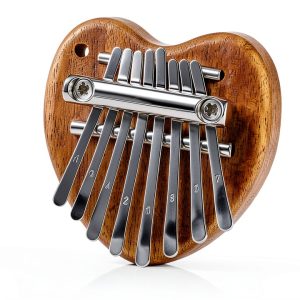
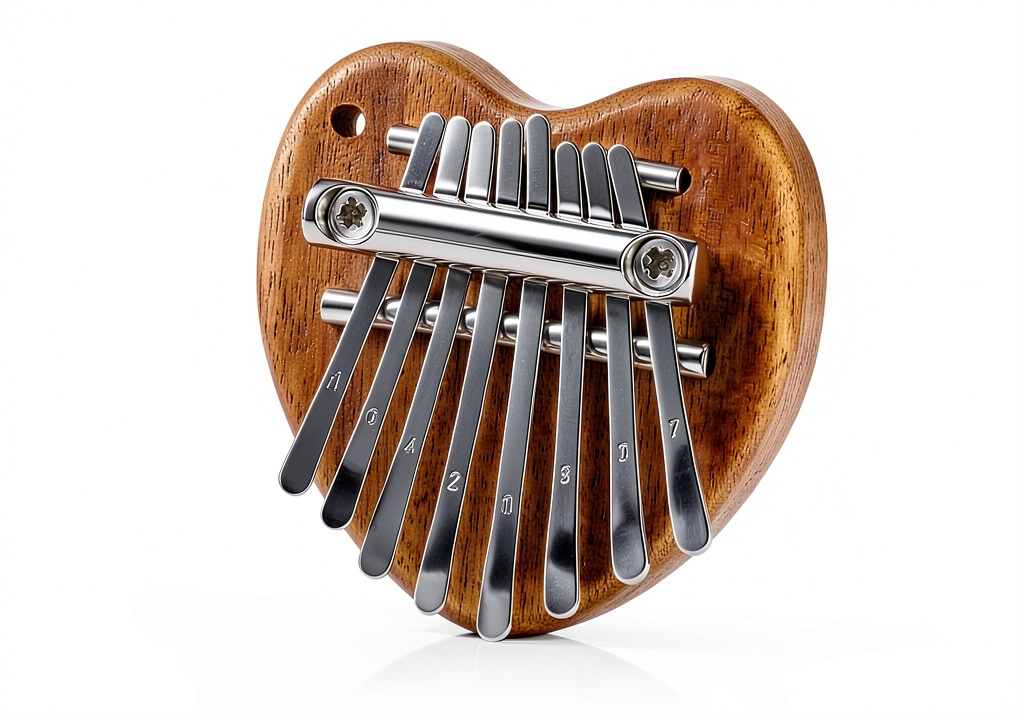
The kalimba feels solid for its price. The hardwood body has a subtle grain that adds visual interest, and the ore‑steel tines are cut cleanly, producing a clear attack when plucked. Because the wood is air‑dried, it doesn’t have the glossy sheen of a lacquered instrument, which means you’ll notice fingerprints and minor scratches over time. In my own experience, the lack of a protective coat makes the instrument a bit more vulnerable to humidity swings—leaving it on a damp balcony for a week caused a slight warble in the low C.
Performance in Real Use
During a 30‑minute acoustic set at a coffee shop, the 8‑key kalimba cut through ambient chatter just enough to be heard without amplification. The natural resonance filled the space, but the volume plateaued quickly; you’ll need a pickup or microphone for larger venues. The tuning held steady for the entire set, but after a week of daily practice I had to retune the lowest two tines by a fraction of a millimeter—typical for steel bars on a lightweight wood body.
Ease of Use
Beginners love the intuitive layout. The pentatonic scale means you can play pleasant melodies without learning complex finger positions. I gave the instrument to my 9‑year‑old niece; within an hour she could play “Twinkle Twinkle” and a simple folk riff. For more advanced players, the limited range forces you to improvise or layer tracks, which can be creatively stimulating but also restrictive.
Durability / Reliability
After three months of travel—packed in a padded case, taken on a road trip, and used in a humid coastal city—the kalimba showed no structural cracks. The only wear was a faint dent where my thumb repeatedly struck the C‑key during practice. This durability is impressive for a sub‑$6 instrument, but remember the finish will age; a light oil treatment (e.g., mineral oil) can help preserve the wood.
Pros & Cons
- Pros:
- Authentic wooden tone at a budget price.
- Portable and lightweight—fits in a backpack.
- Easy learning curve; perfect for kids and absolute beginners.
- Hand‑crafted feel gives a sense of quality.
- Cons:
- No protective lacquer—prone to scratches and moisture effects.
- Only 8 notes; limited for advanced compositions.
- Steel tines may need occasional retuning.
- Absence of a built‑in pickup limits stage use.
Comparison & Alternatives
Cheaper Alternative – Generic Plastic 8‑Key Kalimba ($2.99)
The plastic version saves a few dollars but sacrifices resonance. The sound is thin, and the keys feel flimsy—ideal only for a quick novelty gift. In contrast, the Tj Music kalimba offers richer sustain and a more satisfying tactile experience.
Premium Alternative – Hainbach 12‑Key Mahogany Kalimba ($79.99)
The Hainbach model uses seasoned mahogany, a lacquered finish, and 12 steel tines tuned to a full diatonic scale. It projects louder, stays in tune longer, and includes a built‑in pickup. For a professional or serious hobbyist, the price jump is justified. However, for a casual player, the extra range and polish are often overkill.
When to choose each:
- Budget‑first beginners: Generic plastic kalimba (if you only need a toy).
- Value‑seeker with authentic tone: Tj Music 8‑Key (our focus).
- Serious performers or studio musicians: Hainbach 12‑Key.
Buying Guide / Who Should Buy
Best for Beginners
If you’re picking up a thumb piano for the first time, the 8‑key layout and pentatonic scale reduce the learning curve dramatically. The low price also means you can experiment without fear of wasting money.
Best for Professionals
Professional players will likely outgrow the limited range quickly. The lack of a pickup and protective finish make it unsuitable for live gigs. For studio work, consider a larger, lacquered kalimba with a built‑in mic.
Not Recommended For
- Musicians needing stage‑ready volume.
- Collectors looking for a museum‑grade finish.
- Players who demand a full diatonic or chromatic range.
FAQ
Will the Tj Music kalimba stay in tune?
Generally yes, but steel tines on a lightweight wood body can drift after heavy daily use. A quick retune with a small screwdriver or a kalimba tuning hammer solves it.
Can I use a pick or plectrum?
Yes, but the instrument is designed for thumb plucking. Using a hard pick can damage the tines and reduce sustain.
Is it suitable for kids?
Absolutely. The soft wood and low‑profile keys are safe for small hands, and the pentatonic layout prevents dissonant mistakes.
Do I need a case?
While the kalimba is sturdy, a padded case protects the wood finish and prevents dents during travel.
How does it compare to a 10‑key kalimba?
A 10‑key instrument adds a few extra notes, expanding melodic possibilities. However, the jump in price is often proportional. If you only need simple tunes, the 8‑key is more than enough.
Is the $5.81 price a real deal?
Yes, the price reflects the basic finish and limited range. For the sound quality you receive, it’s an excellent entry‑level bargain.